Abstract:During July, Federal Reserve Chairman Jerome Powell mentioned his concerns about labor market growth twice in his public speeches.
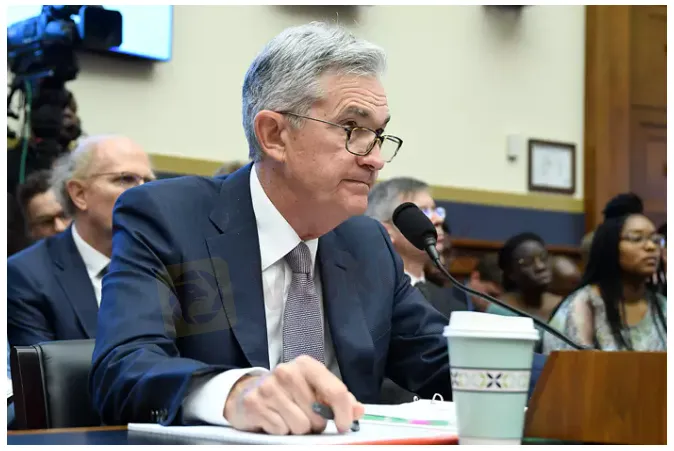
The Federal Reserve monetary policy statement and remarks from Fed Chair Jerome Powell set the tone in several financial markets last week with the biggest influence on the U.S. Dollar. Disappointing U.S. economic reports also weighed on the greenback.
Ahead of next week, however, investors are asking whether the sell-off represents a change in the longer-term trend or just a shift in momentum.
With the Fed not scheduled to meet until September 21-22, the move likely represents a shift in momentum since policymakers left in place their change in the timeline for the next interest rate hike that it announced in its June 16 monetary policy statement.
In last Wednesday‘s announcement, all it did was push the possible start of tapering nearly seven weeks into the future. It didn’t remove the possibility of tapering and it didn‘t move the timeline for the next rate hike so we really can’t call its policy statement “dovish”. It should probably be best described as “less-hawkish”.
Furthermore, the Federal Open Market Committee (FOMC) will have two Non-Farm Payrolls and Consumer Inflation reports under their belt before making its late September policy decision. With the labor market and inflation the biggest concerns for the Fed and likely to exert the most influence on policymakers, these are the two reports that traders should pay attention to during August.
The U.S. will release its Non-Farm Payrolls report on August 6 along with data on Average Hourly Earnings and the Unemployment rate. Non-Farm Payrolls are expected to show the economy added 895K new jobs in July. The unemployment rate is expected to dip from 5.9% to 5.7% and Average Hourly Earnings are expected to remain steady at 0.3%.
Labor Market Growth is Powells Major Concern
During July, Federal Reserve Chairman Jerome Powell mentioned his concerns about labor market growth twice in his public speeches. The first mention was mid-month in his testimony before Congress. The second was in his post-monetary policy statement press conference last Wednesday.
On July 14, Federal Reserve Chairman Jerome Powell told Congress that while the economy has come a long way back from its pandemic-induced depths, the labor market “still has a long way to go.”
“Labor demand appears to be very strong; job openings are at a record high, hiring is robust, and many workers are leaving their jobs,” Powell said. “Indeed, employers added 1.7 million workers from April through June. However, the unemployment rate remained elevated in June at 5.9 percent.”
Powell added that the official unemployment rate understates the real condition of the job market as many potential workers remain on the sidelines for reasons ranging from continued fear of COVID-19, enhanced unemployment benefits and difficultly finding child case.
At last Wednesdays press conference, Powell fielded many questions about inflation, but he also said that hiring needed to progress further before the Fed would be ready to dial down its support for the economy.
“I‘d say we have some ground to cover on the labor market side,” Powell said. “I think we’re some way away from having had substantial further progress toward the maximum employment goal.”
Conclusion
While the initial reaction to the Fed and Powell was to sell the U.S. Dollar because the notion of tapering was put on hold at its last meeting, the real move in the U.S. Dollar over the short-term is likely to follow the July Non-Farm Payrolls report, due on August 6.
A weaker-than-expected report for July will be bearish for the U.S. Dollar because traders will start reducing the chances of the Fed announcing the start of tapering at its September meeting. Furthermore, if July employment data is weak then the August report due in September is also likely to be weak if the COVID crisis gets out of control.