Abstract:Cyprus regulator CySEC confirms HTFX’s decision to abandon its investment firm license, joining other brokers reshaping the island’s financial sector.
 HTFX Exits Cyprus Market as Regulator Confirms License Withdrawal (1).jpg" title="HTFX Exits Cyprus Market as Regulator Confirms License Withdrawal (1).jpg">
Cyprus‘ financial regulator has officially withdrawn the Cyprus Investment Firm (CIF) license of HTFX (EU) Ltd, marking the broker’s voluntary departure from the islands regulatory framework.
 Contents
CySEC Confirms License Withdrawal
In a statement, the Cyprus Securities and Exchange Commission (CySEC) said the move formalizes HTFX‘s earlier decision to relinquish its authorization. The withdrawal terminates the company’s status as a CySEC-supervised entity, stripping it of the right to provide or market investment services under the regime.
Although its license has been revoked, HTFX remains responsible for fulfilling any remaining legal and regulatory obligations. These include notifying clients of the withdrawal and completing all necessary steps to wind down activities previously conducted under CySEC oversight.
A Changing Landscape for Cyprus Investment Firms
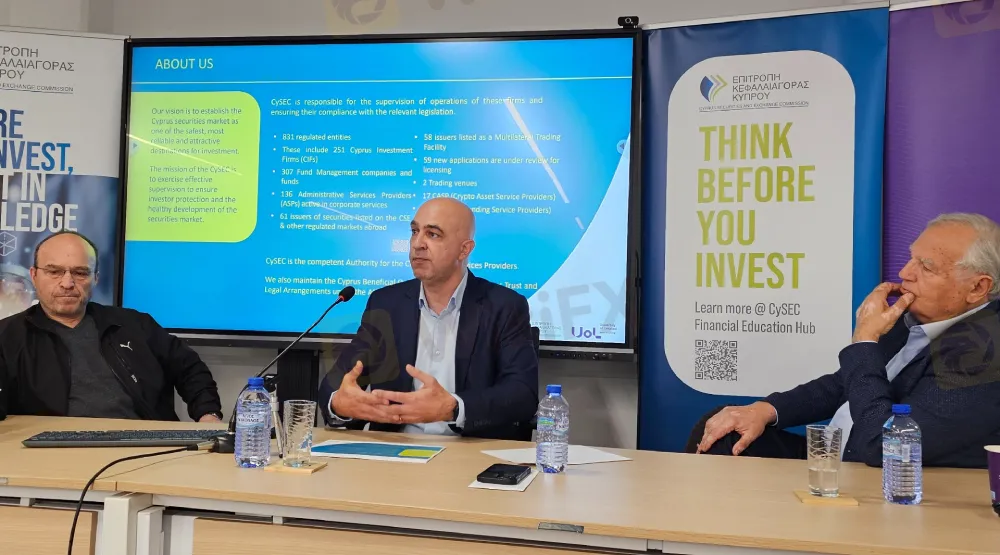
The timing of HTFX‘s exit coincides with CySEC’s new push to overhaul licensing fees for investment firms. Just two weeks earlier, the regulator unveiled proposals to increase both application and annual fees for Cyprus Investment Firms (CIFs), foreign branches, and market operators. It also introduced new charges related to material business changes and algorithmic trading operations.
Under the draft proposal, the regulator plans to replace the current flat €7,000 fee with a sliding scale tied to a firm‘s size, activities, and turnover. Most firms would pay €8,000 per investment service, while those dealing on own account could face a charge of €15,000. The cost of running a Multilateral or Organized Trading Facility (MTF/OTF) would also rise to €30,000 from the previous €25,000. Meanwhile, CySEC intends to scrap certain outdated charges, including its separate crypto-services approval fee, now integrated under the EU’s MiCA framework.
Industry Realignment
HTFX‘s withdrawal adds to a growing list of brokers stepping back from Cyprus’ regulatory regime. Over the past year, firms such as VPR Safe Financial Group (operator of Alvexo), Viverno Markets (the B2B arm of BDSwiss), Royal Forex, and Globia Wealth have also surrendered their CIF licenses.
The steady stream of exits underscores an ongoing reshuffle within Cyprus investment services sector—one driven by evolving regulations, rising compliance costs, and the broader shift toward stricter oversight across Europe.