


Global Broker Regulation Inquiry App
About WikiFX
English
简体中文
繁體中文
English
Pусский
日本語
ภาษาไทย
Tiếng Việt
Bahasa Indonesia
Español
हिन्दी
Filippiiniläinen
Français
Deutsch
Português
Türkçe
한국어
العربية
اردو
Spotting Fake Forex Platforms Before You Make Your First Deposit
Abstract:A practical guide for beginners on how to avoid Forex scams, verify broker licenses, and understand what happens during account setup. The main takeaway is that trading safety relies on choosing a broker with segregated accounts and a full regulatory license.
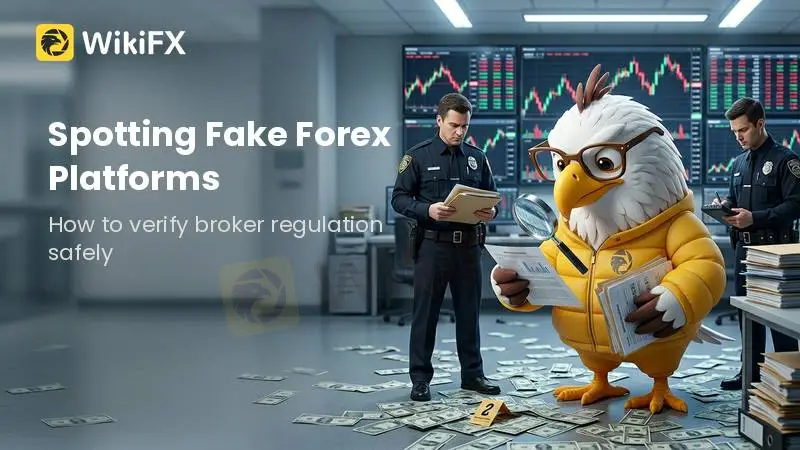
I often hear new traders ask a very specific question: “Is trading Forex actually legal? I heard someone went to prison for it.”
Let us clear this up immediately. Retail Forex trading on a legitimate, internationally regulated platform is not a crime. However, the internet is flooded with fake platforms running Ponzi schemes or pure scams. When people get into legal trouble or lose massive amounts of money, it is almost always because they got involved in a scam network or a fake broker, not because they were genuinely trading the global currency market.
Your first job as a beginner is not to find a winning trading strategy. Your first job is to make sure your money is safe.
 Contents
Three Ways to Judge a Trading Platform
There are hundreds of platforms out there. You can filter out the dangerous ones by looking for three specific standards.
First, check for institutional regulation. A real broker must be supervised by an authoritative body, such as the FCA in the UK. This is your primary line of defense.
Second, look for segregated accounts. This means the broker keeps your trading funds in a completely separate bank account from their own operational money. If the broker goes bankrupt, your money remains untouched. If a platform mixes client money with its own, walk away.
Third, test their customer service. The Forex market runs 24 hours a day. If you run into an issue, you need to be able to reach a real person quickly. If a broker only offers a vague email address or a slow web form, they are not reliable enough to hold your money.
Not All Licenses Are Equal: The FCA Example
Many brokers proudly display an “FCA Regulated” badge on their website. However, not all licenses offer the same protection. The UK's Financial Conduct Authority (FCA) actually has three different levels of regulation you should know about:
The EU Passport (EEA Authorised): This is the weakest level. It means the broker is registered in another European country (like Cyprus) and is legally allowed to accept clients, but they are not directly regulated by the UK FCA. More importantly, they do not have the authorization to hold client money under strict UK rules.
Basic License: Brokers with this license meet UK regulatory standards but still do not have the credentials to hold client funds. This is often used by smaller “white label” partners.
Full License: This is what you want to see. A broker with a full license has gone through strict FCA auditing and must hold over 2 million GBP in reserves. Crucially, they are authorized to hold client money. Only with this level of license are your funds protected by official financial compensation schemes.
Watch Out for High Rebate Traps
Many platforms try to lure beginners in with high “rebates” (a portion of the trading fee returned to your account after a trade). A normal broker might return a small, fixed amount per standard lot traded.
However, if an agent or platform offers massive, unrealistic rebates, it is a trap. They are likely widening your spread—the gap between the buy and sell price, which is your actual cost of trading—to cover the rebate. Worse, fake platforms use high rebates simply to get you to deposit, with no intention of letting you withdraw. If you are greedy for their rebates, they are greedy for your capital.
Setting Up Your First Account
Once you find a reliable broker, the account opening process is straightforward. You will usually have to choose an account type, such as a Standard or Mini account.
In Forex, currency is traded in “lots.” A standard lot controls 100,000 units of currency. Beginners should always start with a Mini or Micro account. These allow you to trade a fraction of a standard lot, keeping your risk and emotional stress low while you learn.
Some brokers will also offer “Managed Accounts” during signup, suggesting that their professionals will trade for you. If your goal is to learn how to trade, skip this option. You are here to learn the skill, not to hand your money blindly to a stranger.
What If You Get Scammed?
If you realize you have deposited money into a fake platform, recovering it is difficult but sometimes possible if the platform has not completely vanished.
Time is your biggest enemy. You must gather your evidence immediately. Save all chat logs with the “analyst” or agent who brought you in. Document your deposit history and take screenshots of the broker's website and your trading account. You can report the fraud to the police, but be prepared for a long wait.
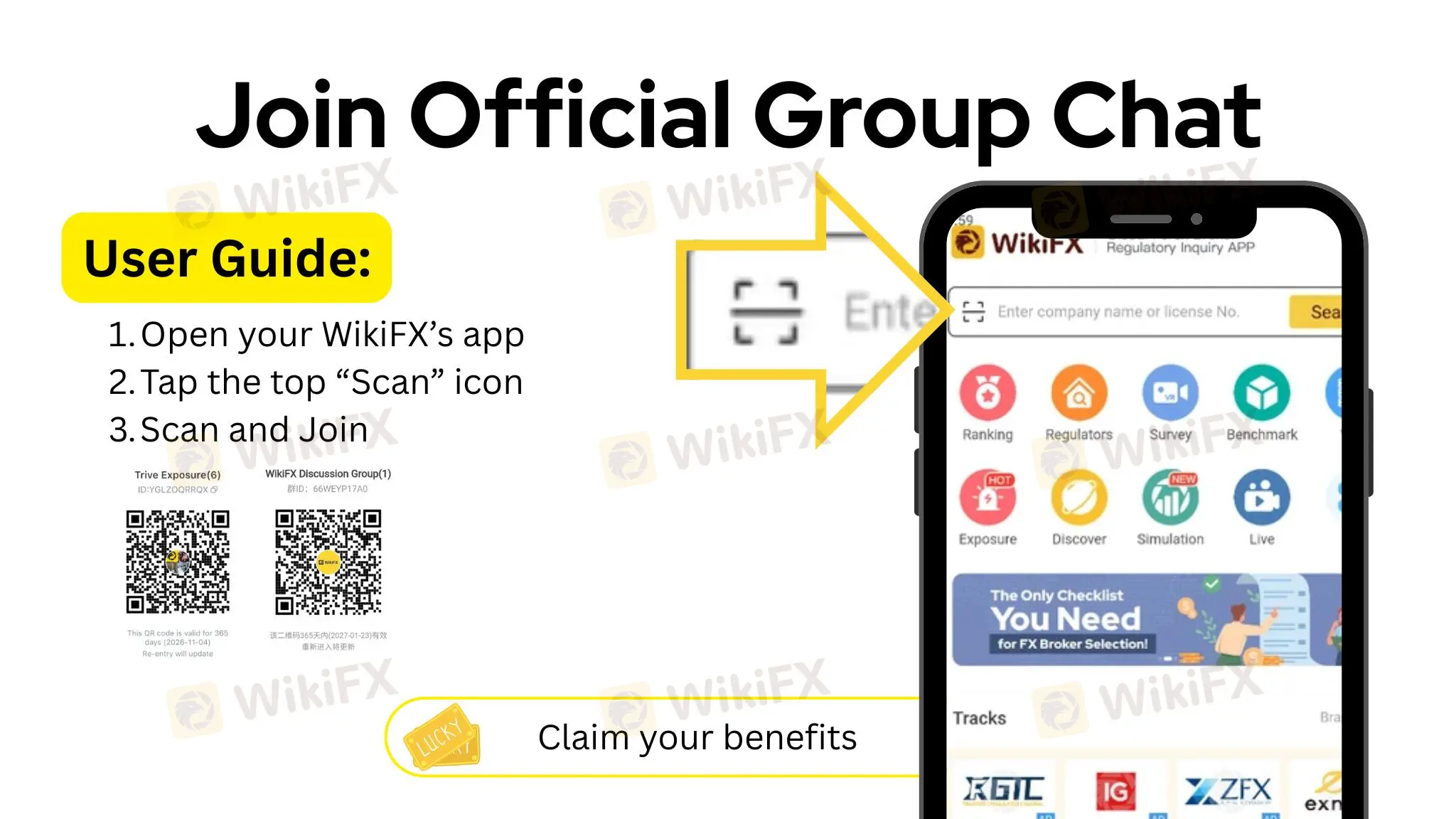
Prevention is infinitely better than trying to recover stolen money. Do not trust a platform just because it looks professional or because an online friend recommended it. Before you upload your ID or transfer a single Ringgit, use the WikiFX app to run a background check on the broker. It takes five seconds to confirm whether a broker holds a genuine, full regulatory license or if they are operating from the shadows.

Disclaimer:
The views in this article only represent the author's personal views, and do not constitute investment advice on this platform. This platform does not guarantee the accuracy, completeness and timeliness of the information in the article, and will not be liable for any loss caused by the use of or reliance on the information in the article.
WikiFX Broker
Latest News
CNMV Warns Against 10 Unauthorized Investment Platforms and Clone Firms
 WikiFX
Dollar Steadies As US Inflation Reaches 4.20%
WikiFXFrom Demo to Real Money: Overcoming the Fear of Holding Your First Live Trade
WikiFXWhy Market News and Spread Shocks Sweep Your Stop Loss
WikiFXHow to Place a Forex Stop Loss Using Market Volatility
WikiFXWhy Weekend Market Gaps and Swaps Destroy Beginner Accounts
WikiFXDollar Slips on Easing Middle East Tensions
WikiFXInstaForex Review 2026: Unverified Regulation, Complaints, and High-Leverage Risk
WikiFXMing Tak Review 2026: Regulation, Complaints, and Platform Access
WikiFXCrypto Scam Call Centre Dismantled in Penang as Authorities Intensify Fight Against Cross-Border Fra
WikiFXCurrency Calculator
USD

CNY
Current Rate:0
Enter amount
USD
Redeemable Amount
CNY
Calculate 