

Global Broker Regulation Inquiry App
About WikiFX
English
简体中文
繁體中文
English
Pусский
日本語
ภาษาไทย
Tiếng Việt
Bahasa Indonesia
Español
हिन्दी
Filippiiniläinen
Français
Deutsch
Português
Türkçe
한국어
العربية
اردو


Stocks rebound and oil retreats as tensions ease in the Middle East


Abstract:U.S. stock futures moved higher on Tuesday, supported by a rebound in semiconductor and AI-related stocks after last week‘s sharp technology sell-off. SP 500 futures rose 0.2%. Nasdaq 100 futures gain
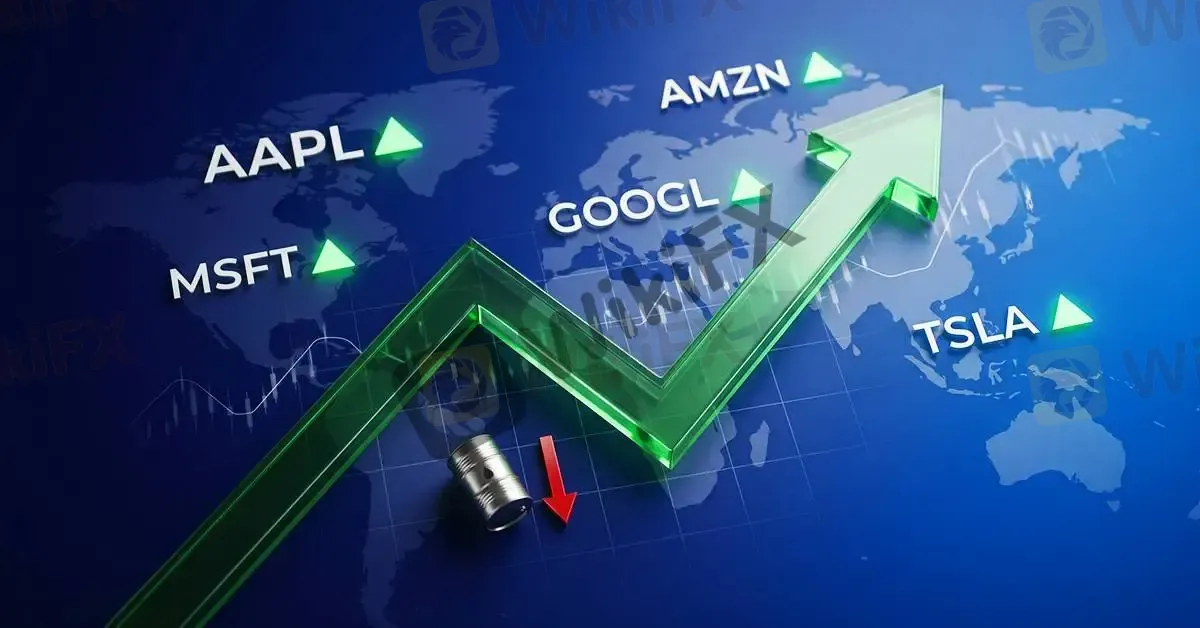
U.S. stock futures moved higher on Tuesday, supported by a rebound in semiconductor and AI-related stocks after last week‘s sharp technology sell-off. S&P 500 futures rose 0.2%. Nasdaq 100 futures gained 0.5%. Dow futures advanced 0.1%. Asian markets also recovered, with Japan’s Nikkei rising more than 2% and South Korea‘s Kospi jumping 7% after Monday’s steep decline.
The positive sentiment followed Mondays gains in chip stocks, which helped the S&P 500 and Nasdaq recover some of their recent losses.
Geopolitical developments remained a key focus. Iran announced it had halted military strikes but warned that attacks could resume if attacks on Lebanon continue.
China‘s exports grew much faster than expected in May, providing support to the economy despite concerns about slowing domestic growth and geopolitical tensions. China’s trade surplus reached $105.4 billion. A major driver of export growth was strong demand for AI-related technology products, including semiconductor chips, as well as green energy products such as electric vehicles, batteries, and solar equipment.
Gold prices remained relatively stable on Tuesday, trading near their lowest levels since late March around $4,268 per ounce as investors weighed easing Middle East tensions against expectations of higher U.S. interest rates.
Golds upside remains limited by expectations that the Federal Reserve could maintain a hawkish stance. Ongoing disruptions to shipping through the Strait of Hormuz continue to support inflation concerns, and markets are increasingly pricing in the possibility of higher interest rates by year-end.
Investors are now focused on this weeks U.S. inflation data, including the Consumer Price Index (CPI) and Producer Price Index (PPI) reports, which could provide important clues about future Federal Reserve policy.
Disclaimer:
The views in this article only represent the author's personal views, and do not constitute investment advice on this platform. This platform does not guarantee the accuracy, completeness and timeliness of the information in the article, and will not be liable for any loss caused by the use of or reliance on the information in the article.
WikiFX Broker
Latest News
BXB Review – Zero Regulation, Dead Website: What Traders Need to Know
 WikiFX
Singapore tightens monetary policy in surprise move as rising oil prices rekindle inflation risk
WikiFXSPREDIX MARKETS Review: What Traders Should Know Before Depositing
WikiFXHFM Review: No Regulatory Licences and a 1.83 Score , Is Your Deposit Safe?
WikiFXIs Your Withdrawal Plan Killing Your Compounding Gains?
WikiFXHFMARKETS TRADE Review: Zero Regulation and a Central Bank Warning
WikiFXWinvest Review: What Traders Should Know Before Depositing
WikiFXTrade Nation Review: What Traders Should Know Before Depositing
WikiFXWhy Good News Can Push Prices Down: The Expectation Trap
WikiFXFBS Review: What Traders Should Know Before Depositing
WikiFX